
Nature Catalysis
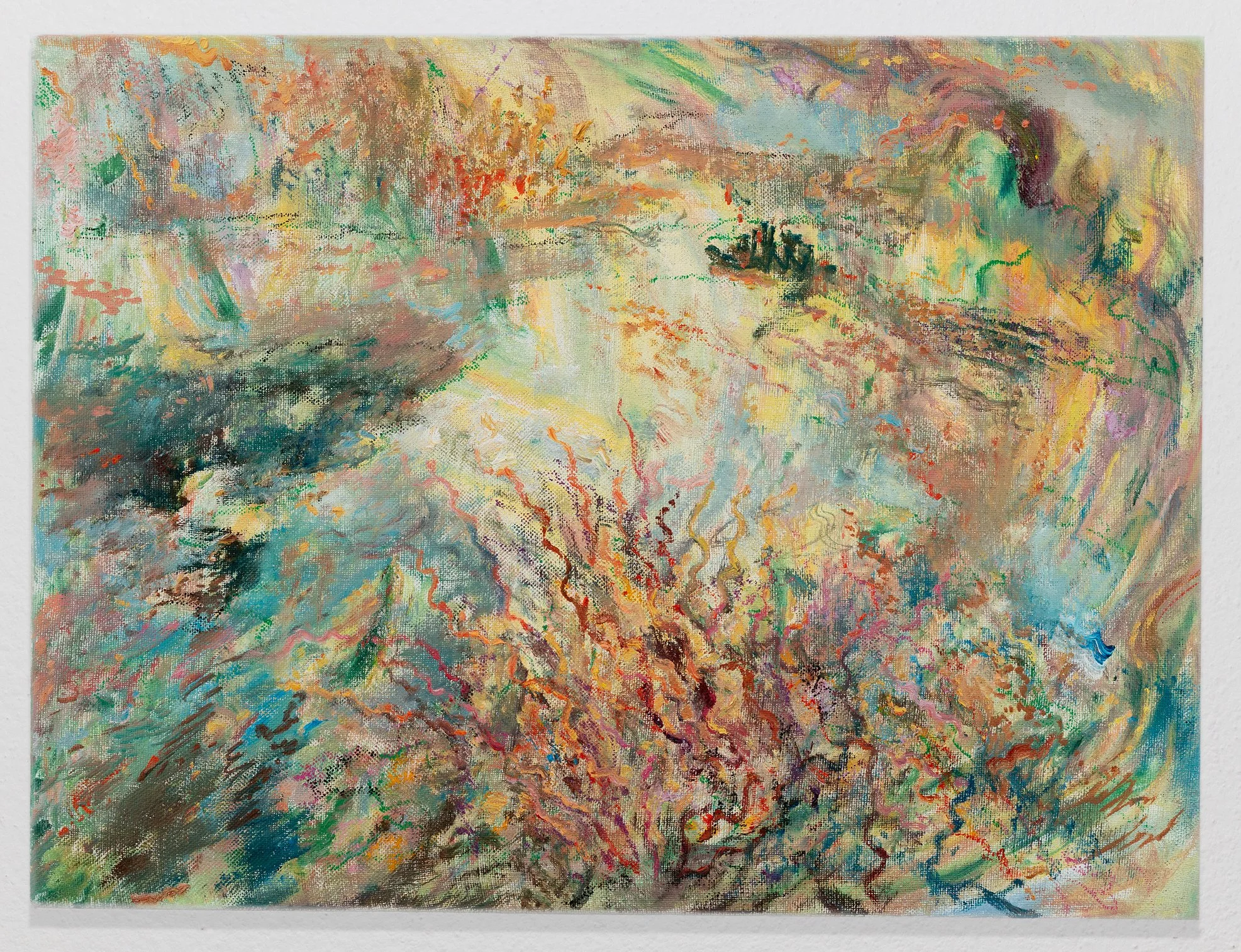
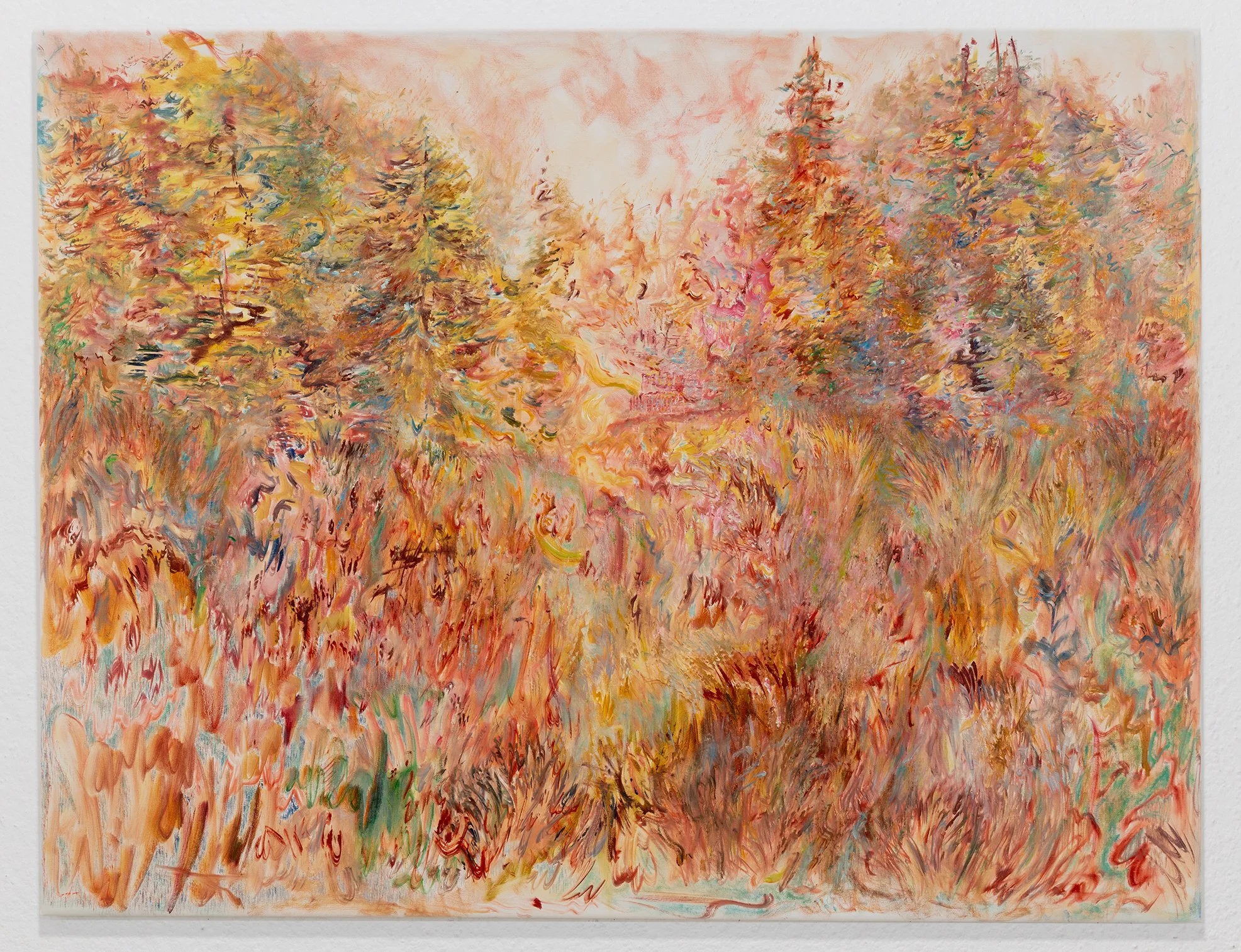
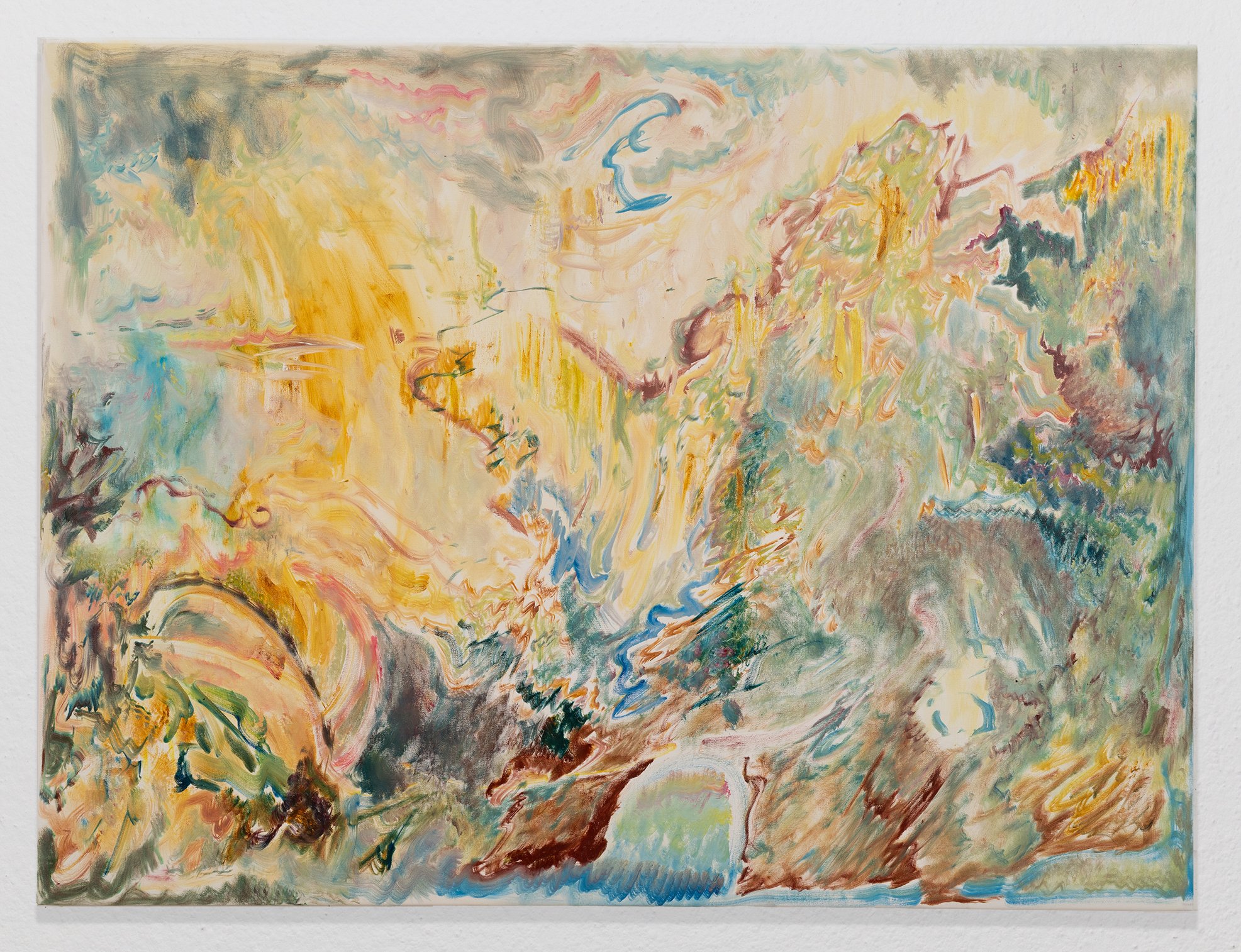
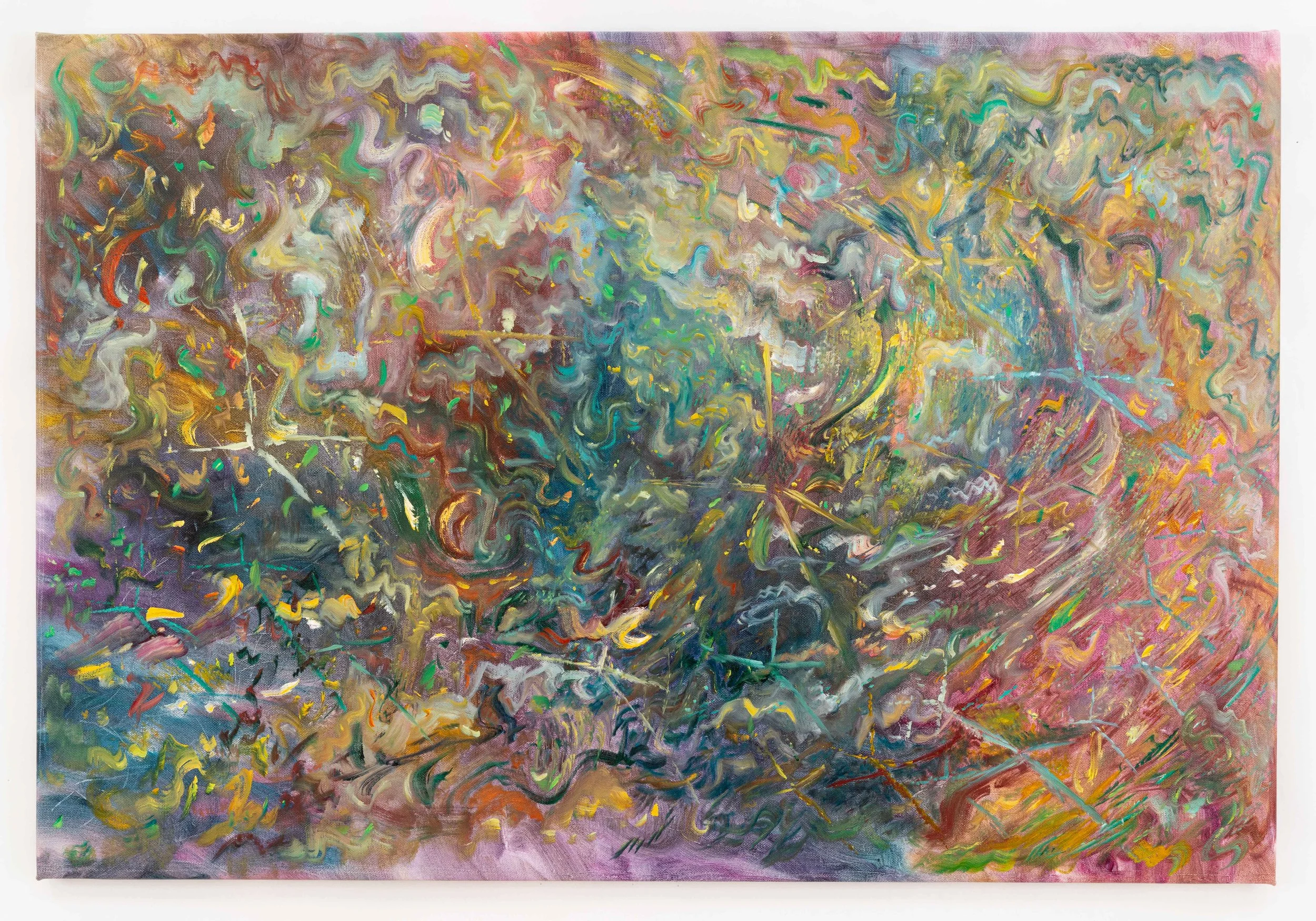
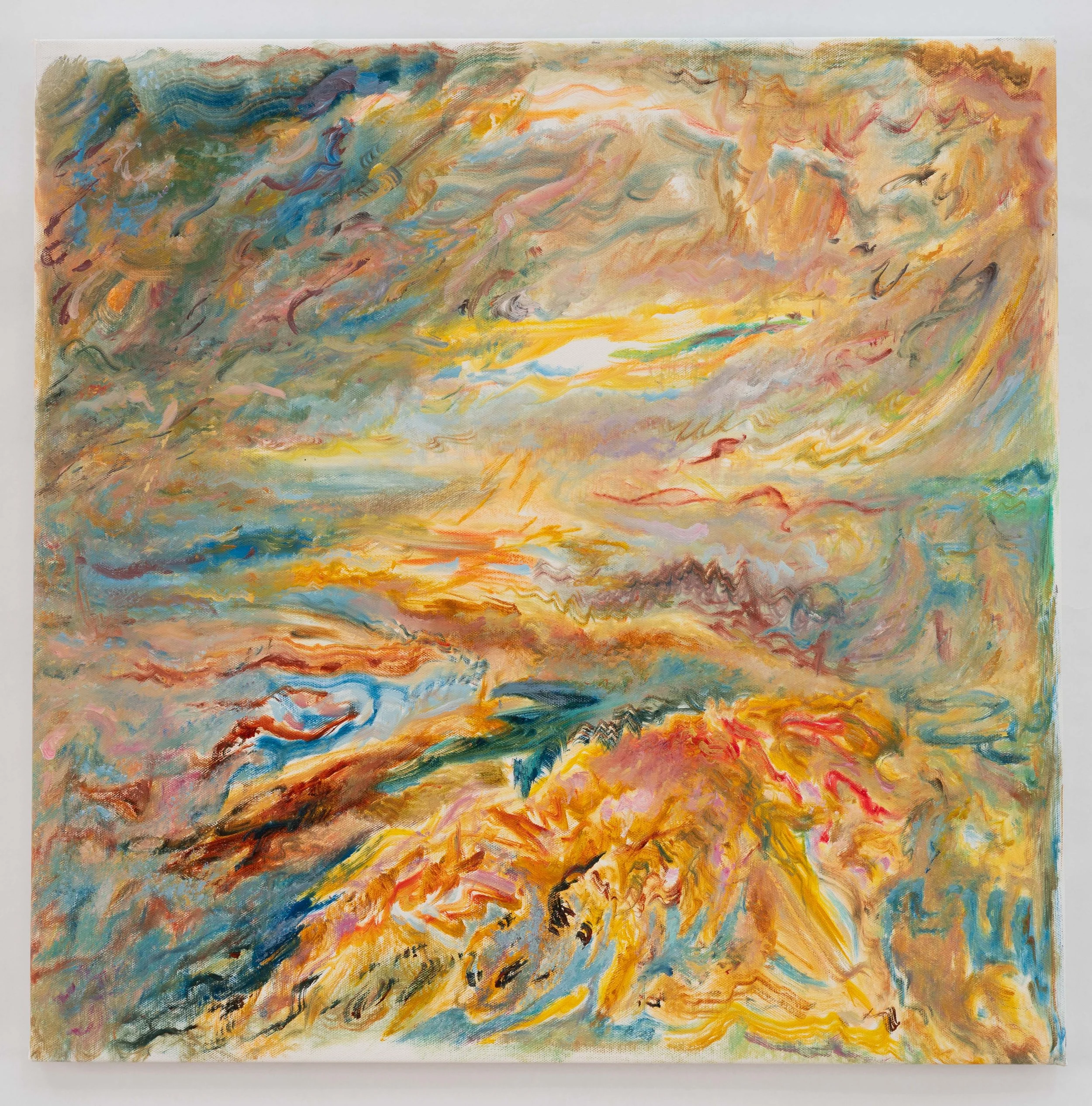
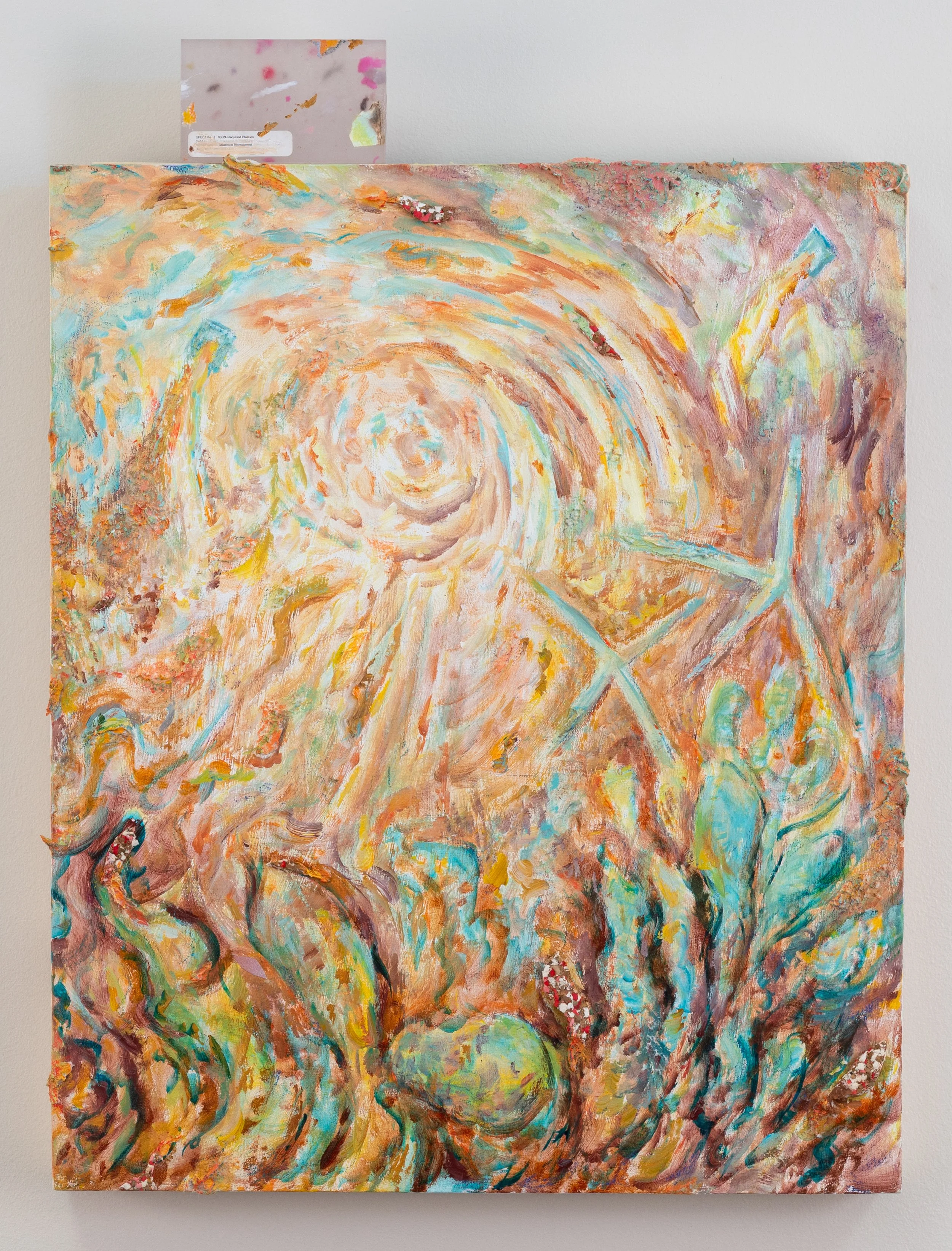
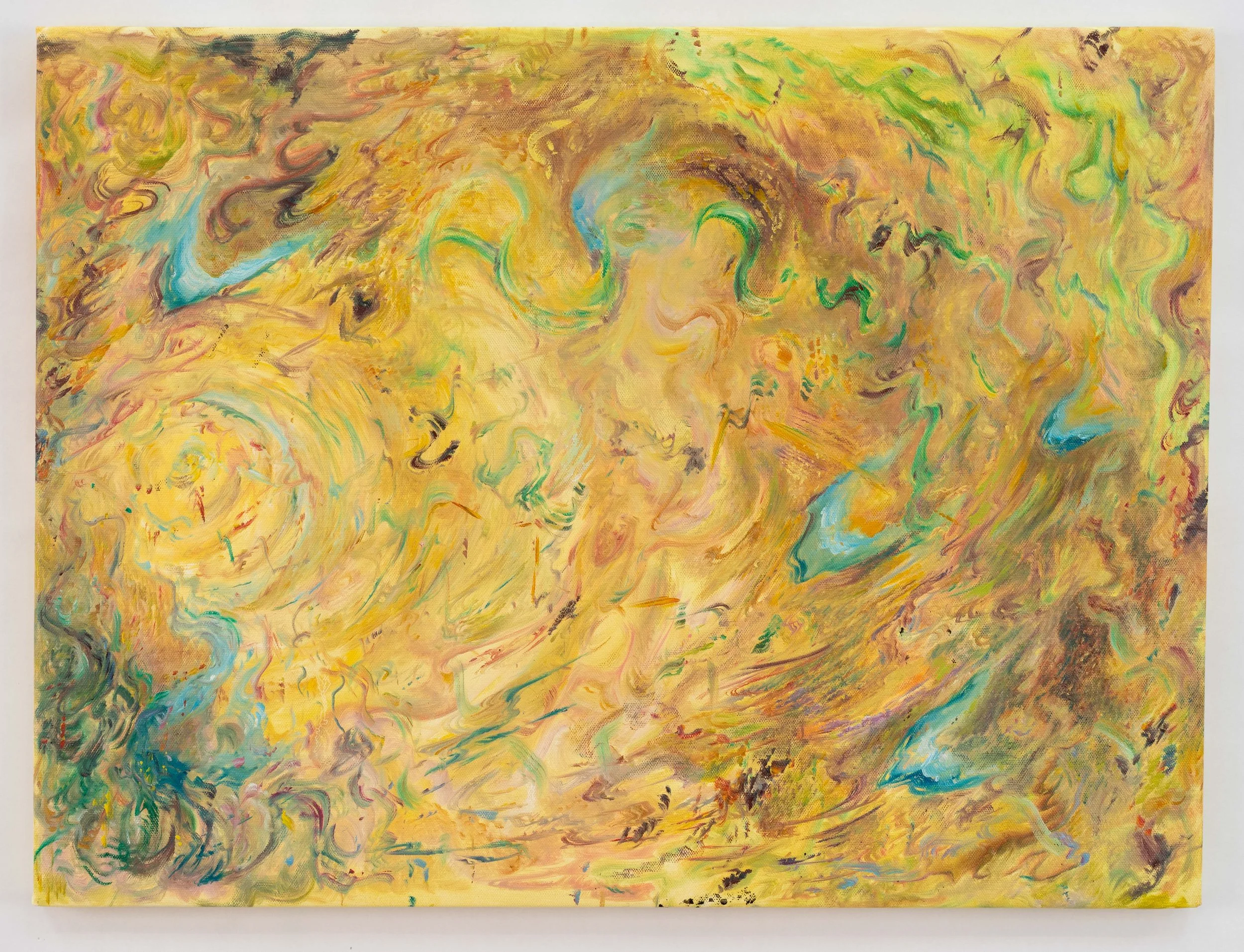
Nature Catalysis explores experimental narratives of the transition to energy sustainability through the media of painting, drawing, and collage. The title comes from the chemistry publication of the well-known academic journal Nature. A catalyst, or a substance which is introduced into a chemical reaction to increase the rate of the process, is considered as an agent of material transformation, conveyed in abstract landscape spaces which evoke a fragmentary process of becoming.
As a non-scientist, I enjoy researching and discussing recent breakthrough discoveries in the fields of chemistry and biology that will help us get a bit closer to a truly sustainable human ecosystem. I am captivated by illustrations that accompany articles about scientists learning to transform hard-to-recycle waste materials and pollution into new sources of energy. I see this as an exciting collaborative process with nature, and as an unfolding series of precarious, chance-based, idealistic research projects.
The series imparts a sense of energy, futurity, and hopeful anticipation to the viewer using traditional artmaking materials such as oil, acrylic, pastel, monotype, and ink drawing on paper. Mixed media collages incorporate composite materials created from post-consumer waste, such as cork and rubber from discarded sandals and plastics from shampoo bottles, in addition to salvaging and repurposing fragments of prior artworks.
The work responds attentively to observed light and atmosphere of landscapes which I have inhabited, including the hills of North Georgia between Atlanta and Athens, which I drove around for three years while living there during my graduate studies; the skies and plains of Eastern and Central Oklahoma, with their ochre prairie grasses and towering wind turbines; and the Atlantic coast off of Newfoundland and Labrador, Canada, where I attended the Pouch Cove Foundation Artist Residency while creating a number of these works.